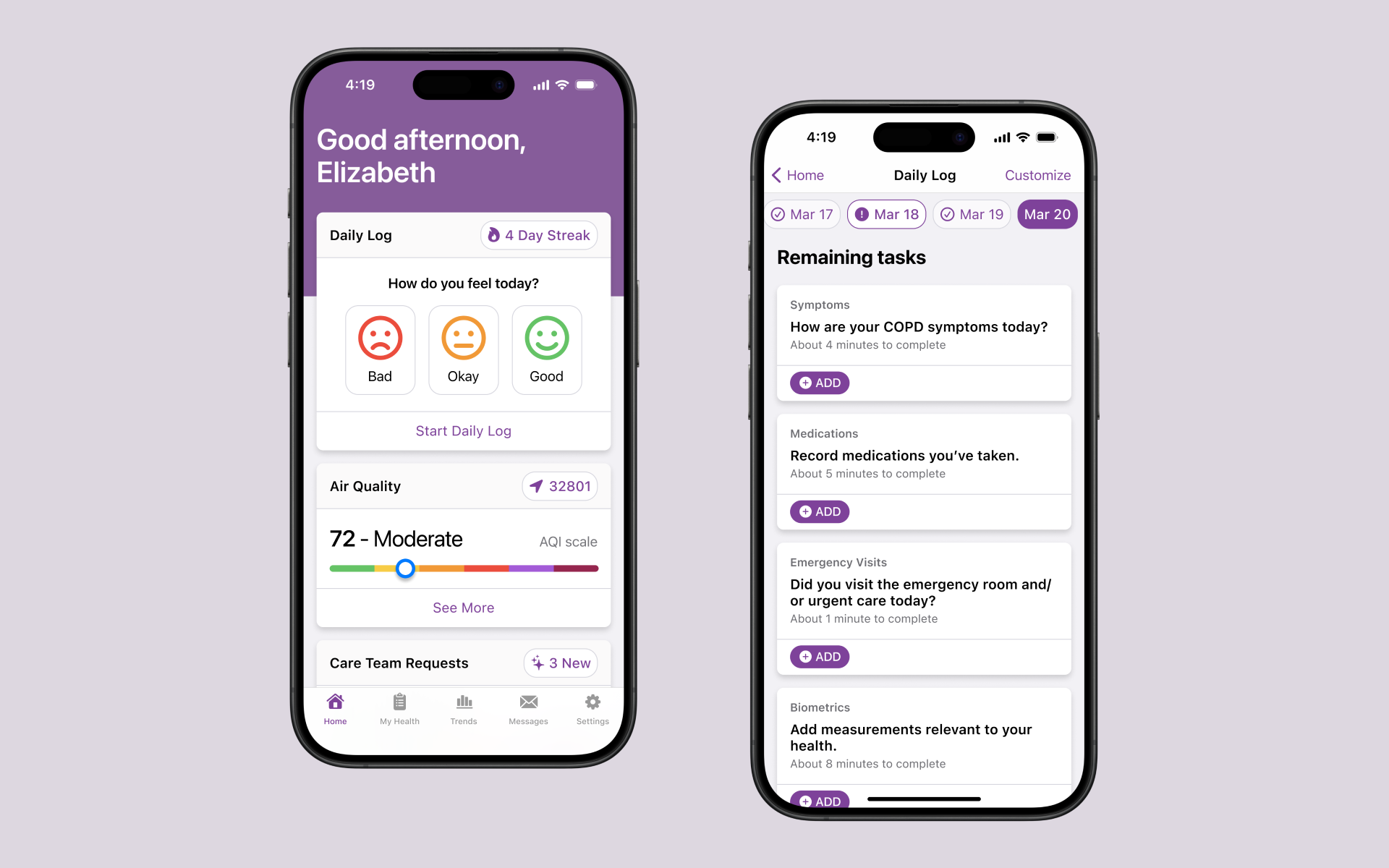
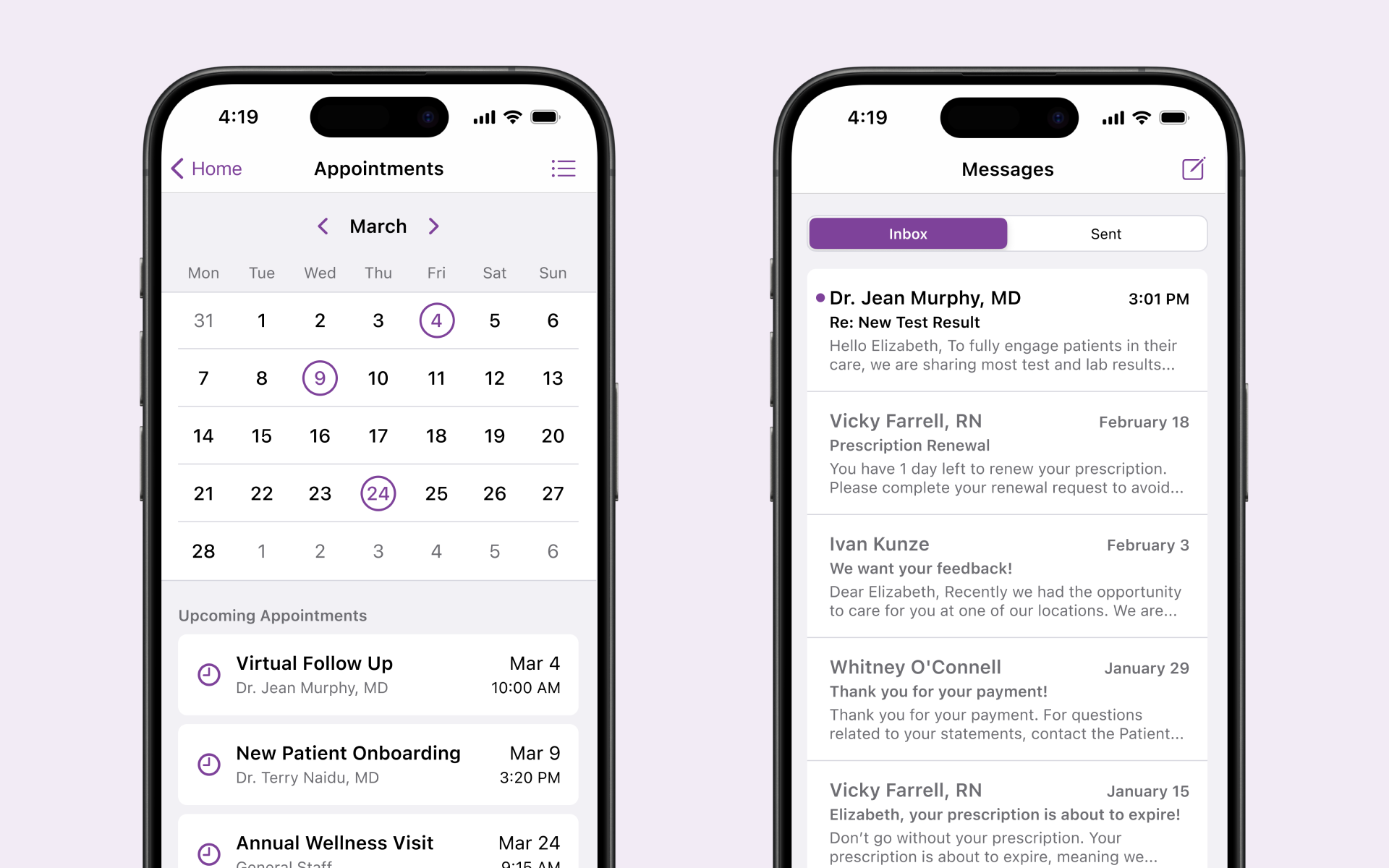
AMAZE: Disease Management Platform is an app designed to help patients with chronic diseases stay in contact with their doctors between appointments. The app allows patients to update their health status, track symptoms, and share real-time data with their healthcare providers.
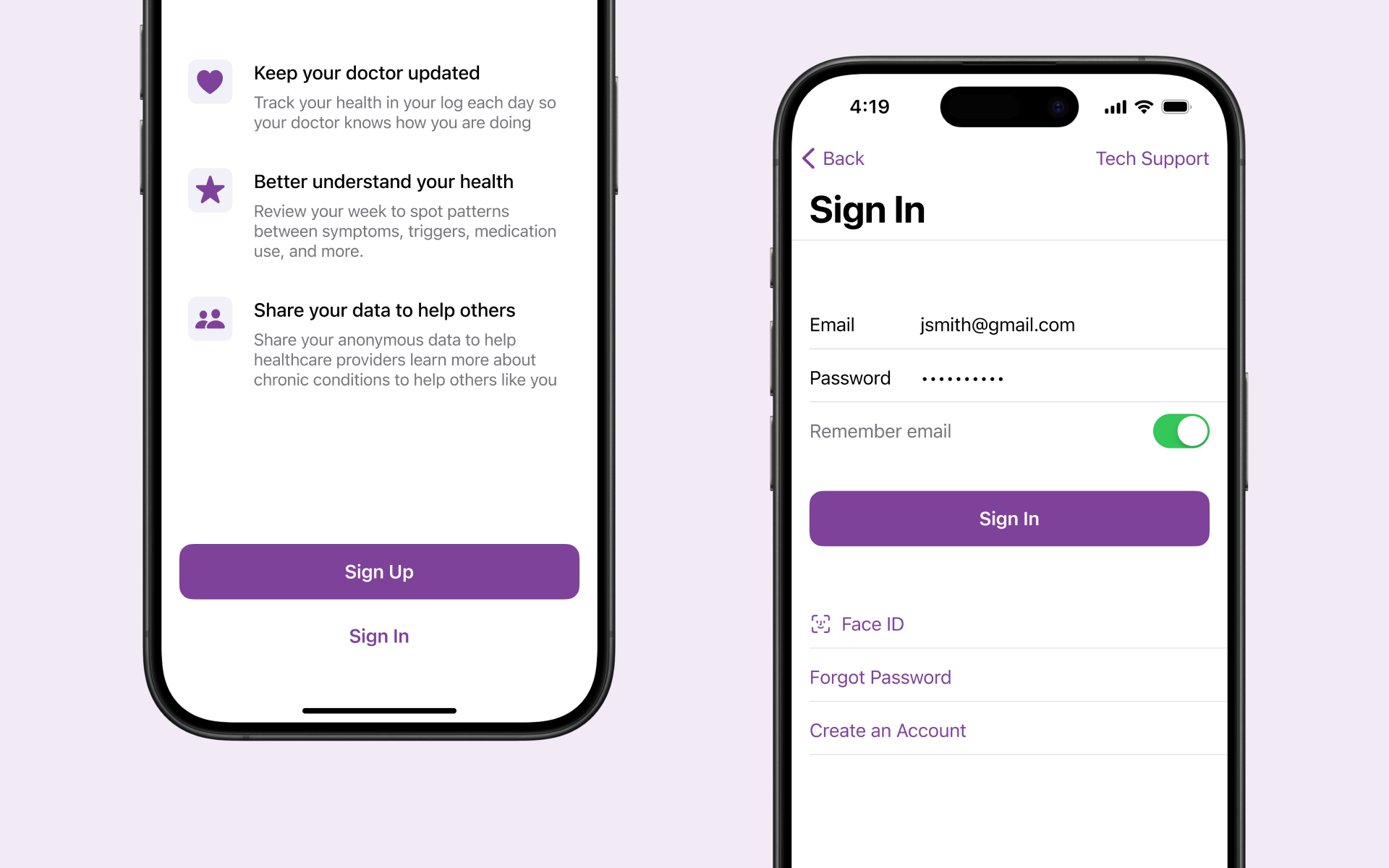
In order for the AMAZE: Disease Management Platform to be effective, patients need to complete a daily health questionnaire for efficient monitoring and treatment adjustments. Only 2% of beta users completed the questionnaire every day, signaling to us that patients weren't seeing the value of the app, and led to gaps in data resulting in suboptimal care from their healthcare providers.
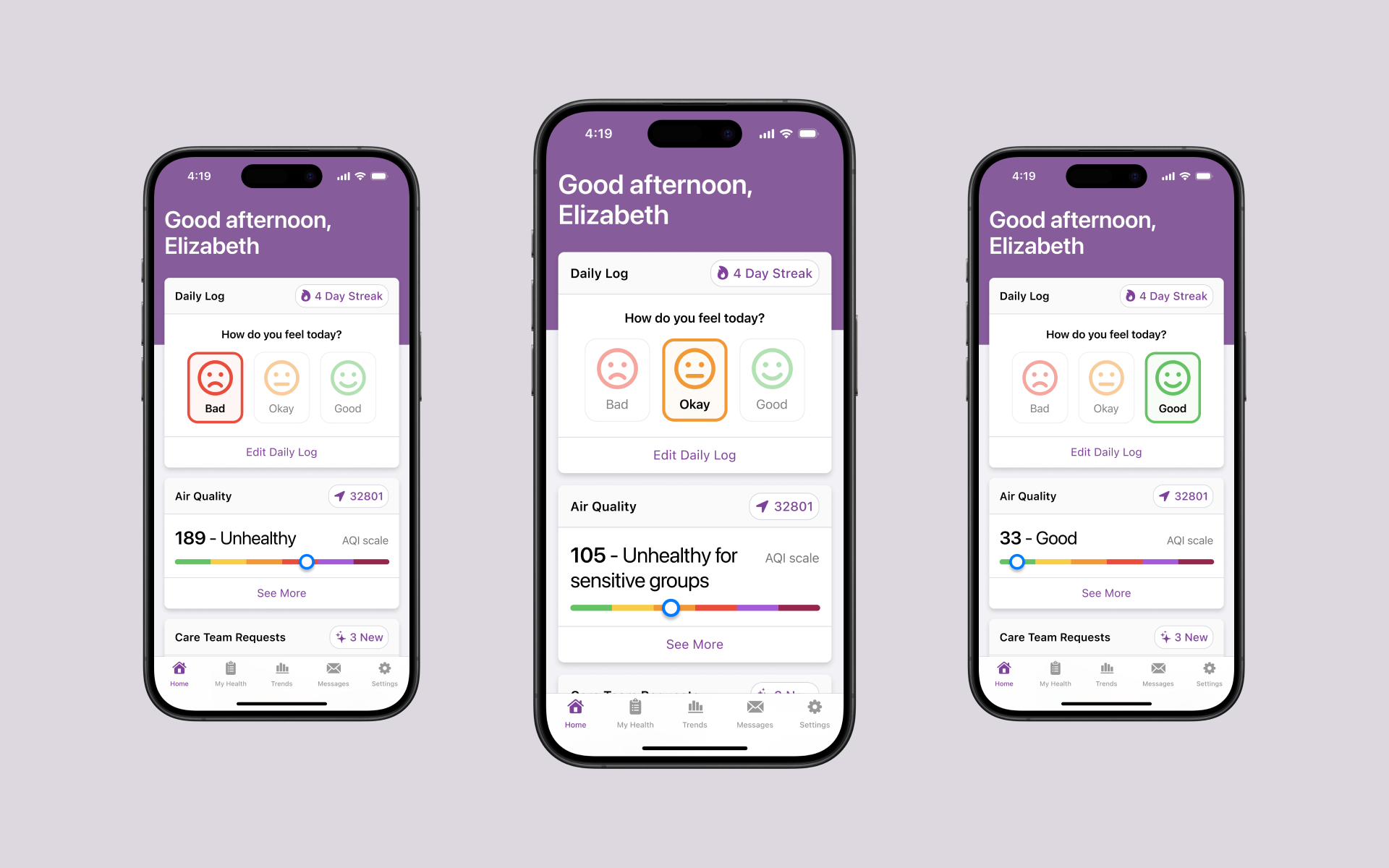
During my time on this project, I was able to:
For a more comprehensive explanation of each activity, check out my blog: Finding the "Secret Sauce"
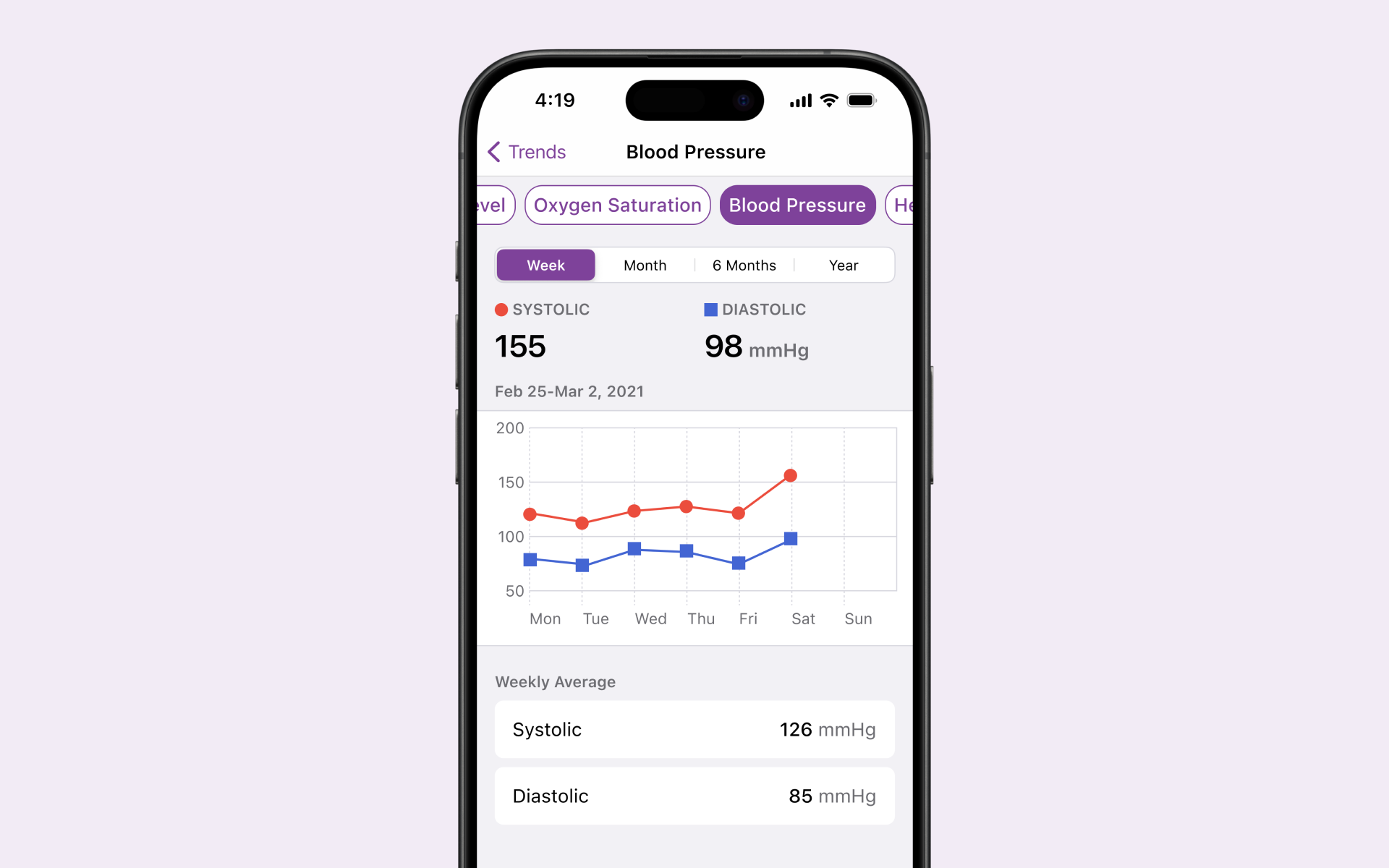
After launching the app with the new features, we observed significant improvements:
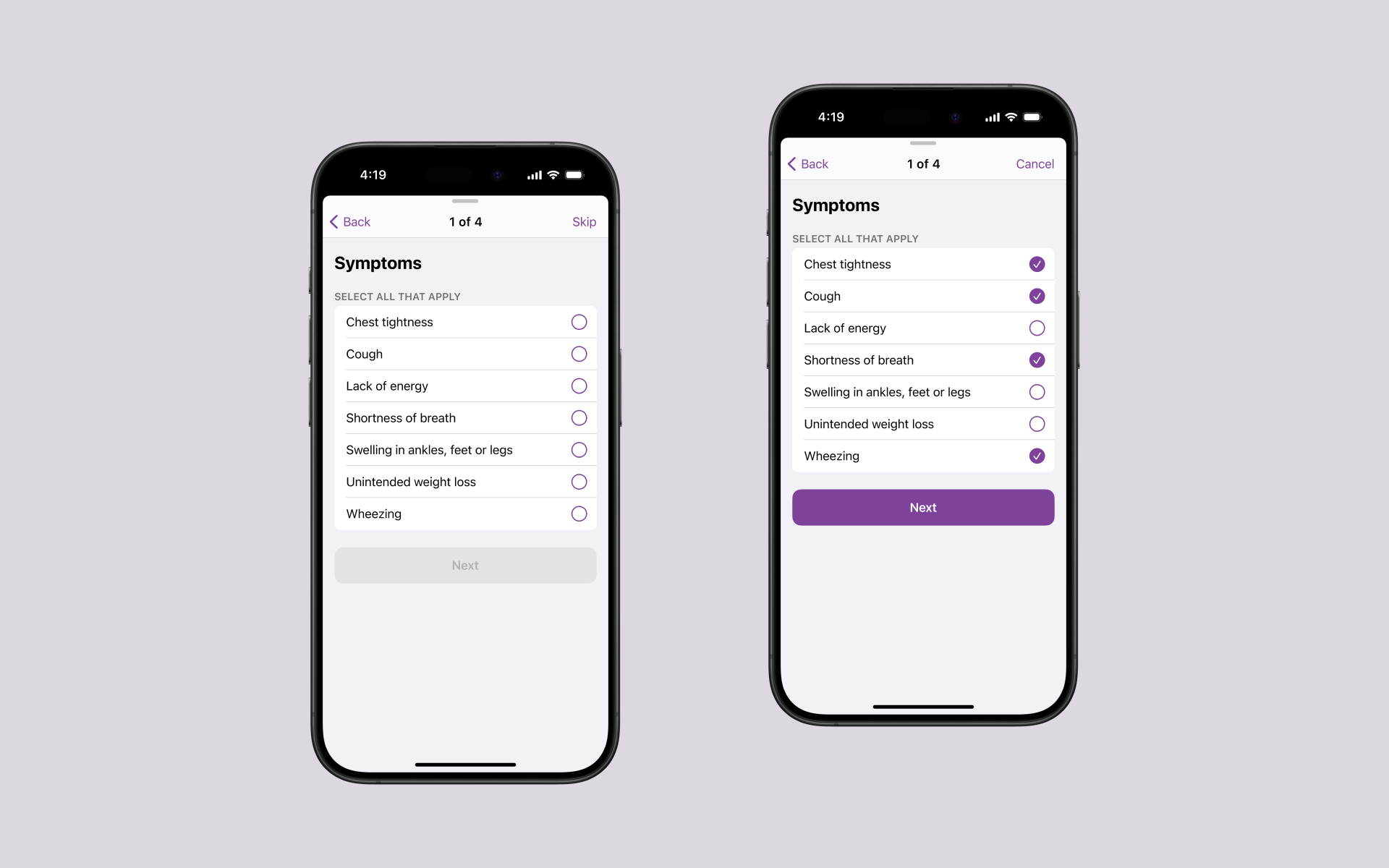
One of the challenges I faced during this project was ensuring that the introduction of gamification elements enhanced the user experience without detracting from the primary goal of the application. Through iterative design and testing, I refined our approach, ensuring that the gamification elements were subtle and supportive rather than intrusive. I learned the importance of balancing fun and functionality, recognizing that in a healthcare setting, any additional features must serve to enhance the user's sense of accomplishment and ease without compromising the seriousness of the task at hand.
This experience underscored the importance of user-centered design and careful implementation. By staying attuned to our users' needs and preferences, we were able to create a more engaging and effective check-in system that respected the sensitive nature of healthcare interactions.